Arabs and Muslims: The Real Victims of Modern Antisemitism
Where Jews were once framed as the West's unassimilable "enemy within," Arabs and Muslims are now cast in the exact same position with both public opinion and state policies mirroring this reality.

NOTE: This is an excerpt from a longer article:
The term antisemite was originally coined in 19th-century Europe to mark Jews as “Semitic,” implying they were closer to Arabs than Europeans, and therefore incapable of assimilation. At its root, antisemitism was always about racializing Jews as outsiders. Today, Palestinians and more broadly Arabs and Muslims are subjected to precisely this logic, with many of the same stereotypes once applied to Jews now recycled against them.
A respectable form of bigotry
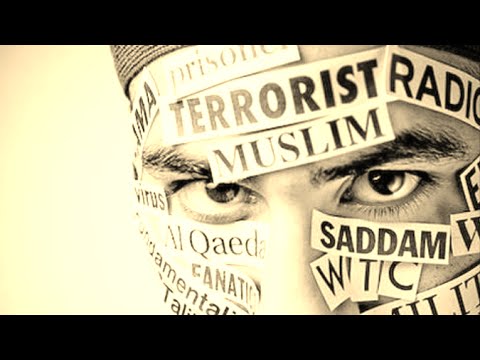
Much of the imagery once directed at Jews—depicting them as dangerous outsiders, incapable of loyalty to the nation, demographic invaders, or threatening European “civilization”—is now applied wholesale to Muslims and Arabs. Where antisemitism once painted Jews as a fifth column for Bolshevism or “international finance,” Islamophobia frames Muslims as agents of terrorism, Sharia infiltration, or demographic “replacement.” Some even go far as to claim that Muslims and Arabs are part of a string-pulling global conspiracy. The underlying logic is identical: Jews and now Muslims are portrayed as an internal enemy undermining the nation from within, both racially and culturally unassimilable.
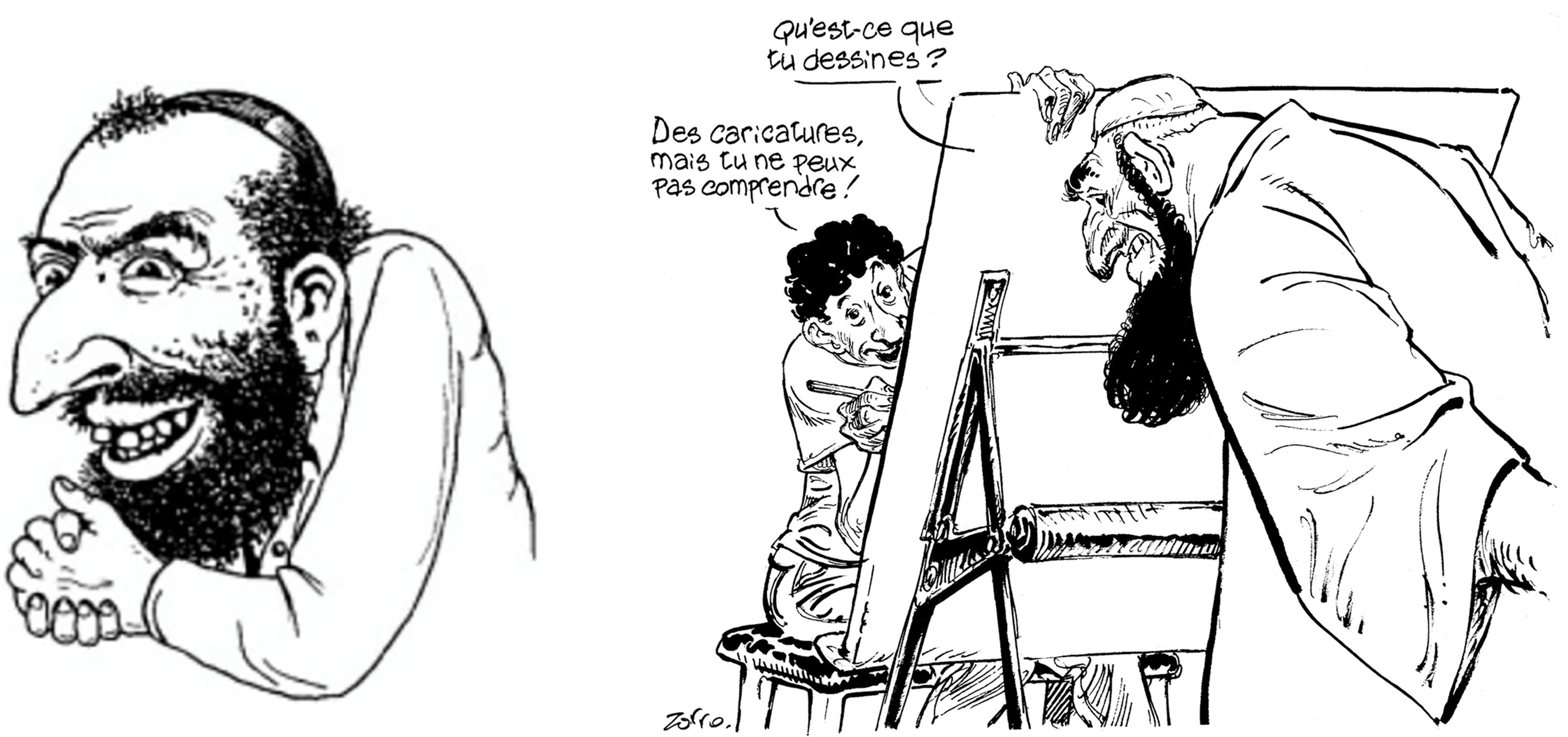
These narratives are not confined to the fringes; they are reinforced from the very top down. In the U.S., the “War on Terror” normalized mass surveillance of Muslims and racial profiling. The government openly pushed a “Muslim ban” in 2017, targeting entire countries based on religion, while simultaneously trafficking in tropes about Muslim immigrants being violent or incapable of integration. In Europe, political leaders like France’s Emmanuel Macron have advanced restrictive “secularism” laws, such as banning the hijab in schools or limiting halal slaughter, that disproportionately target Muslim communities under the guise of “integration.”
Switzerland’s ban on minarets, Austria’s closure of mosques, the UK’s surveillance-heavy Prevent strategy, and Germany’s Clankriminalität (clan crime) policing strategy that targets Arabs and Muslims by using ethnic and religious affiliation as a basis for police targeting and action all mirror the collective suspicion once aimed at Jewish communities in Europe. The nominally “left-wing,” rabidly Zionist Greens party of Germany warned that “the poison of Islam reaches people’s minds also here, not just abroad.”
Meanwhile, Jews in the West, though still occasionally targeted by far-right rhetoric or violence, are not subjected to the institutionalized policies imposed on other groups. Today, antisemitism is largely confined to fringe discourse, where Jews function as symbolic scapegoats invoked by extremists or social media agitators. By contrast, Muslims, Arabs, and migrants endure both rhetorical demonization and top-down enforced systemic repression. The distinction is clear: Islamophobia and anti-Arab racism are embedded in state laws and policies, while antisemitic tropes remain mostly rhetorical, with Jews targeted primarily by individuals on the political fringes who wield little systemic power.
Noam Chomsky highlighted this shift through his own experience as an American Jew, noting that by the 1950s antisemitism in the U.S. had been pushed underground, and Jews were gradually integrated into elite institutions. In its place emerged a new “legitimate” racism: anti-Arab and anti-Muslim bias. Unlike antisemitism, which by the late 20th century had to be hidden, hostility toward Arabs and Muslims could be expressed openly in films, books, politics, and policy:
Antisemitism is no longer a legitimate form of racism. Anti-Arab bias, is a legitimate form of racism, meaning you don’t have to hide it. In most forms of racism you have to pretend you’re not a racist, so you have to pretend ‘I’m not antisemitic, I’m not anti-Black.’ You may be, but you don’t advertise it. Anti-Arab racism, you’re allowed to advertise. This was way before September 11 […] you see it in films, in books, in attitudes, it’s just not even hidden. Nobody will come out and say, ‘I’m an anti-Arab racist,’ but it’s everywhere, and every Muslim or Arab in the country knows it.
Just to give you an illustration. Boston happens to have a big Lebanese community and while they’re not super wealthy, they have money; they’re storekeepers and businessmen and so on. In 1982, at the time of the Israeli invasion of Lebanon, which was a total, horrible atrocity, a few of us made an effort to organize a charitable relief program for people in Lebanon. We could not get any support from the Lebanese community here and I think I understand why because I remember it from childhood. I think they just don’t want to be too visible, and I think that’s understandable. I can’t prove that, but that’s the sense that I had. And it’s not just since September 11th, yes, it’s increased, but not only Arabs, but anybody who looks a little bit dark.
— Noam Chomsky, On Power, Dissent, and Racism: A Discussion with Noam Chomsky (2004)
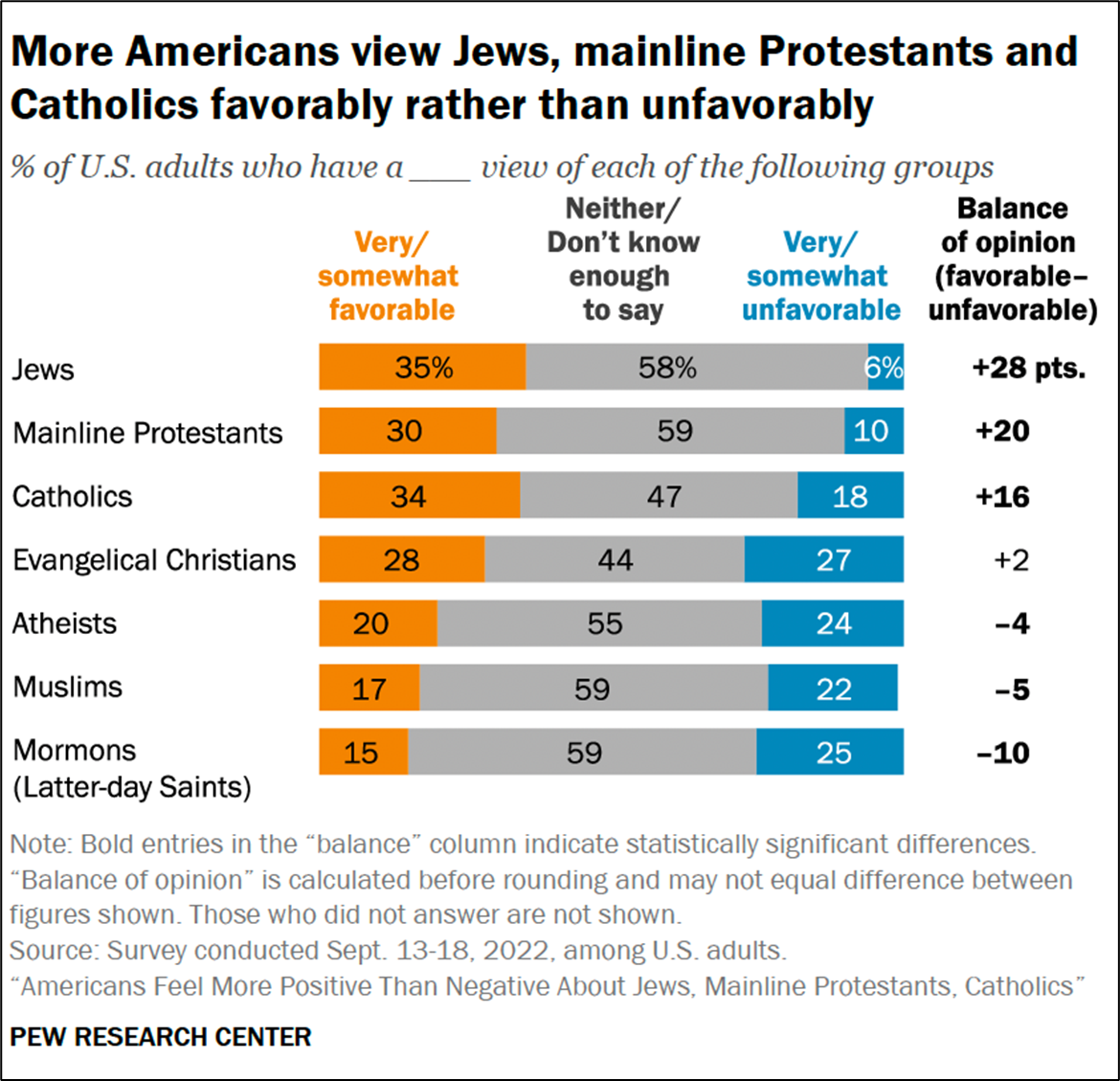
Public opinion data highlights this disparity. According to a 2022 Pew Research Center poll, Americans held the second least favorable view of Muslims among major religious groups, with only 17% expressing a favorable opinion and 22% an unfavorable one, resulting in a net favorability of -5 points. This placed Muslims just ahead of Mormons for the least positive perception. In stark contrast, Jews were viewed most favorably, with 35% holding a favorable view and only 6% unfavorable, yielding a net favorability of +28 points—the highest of any group and more positive than views of Protestants by 8 points.
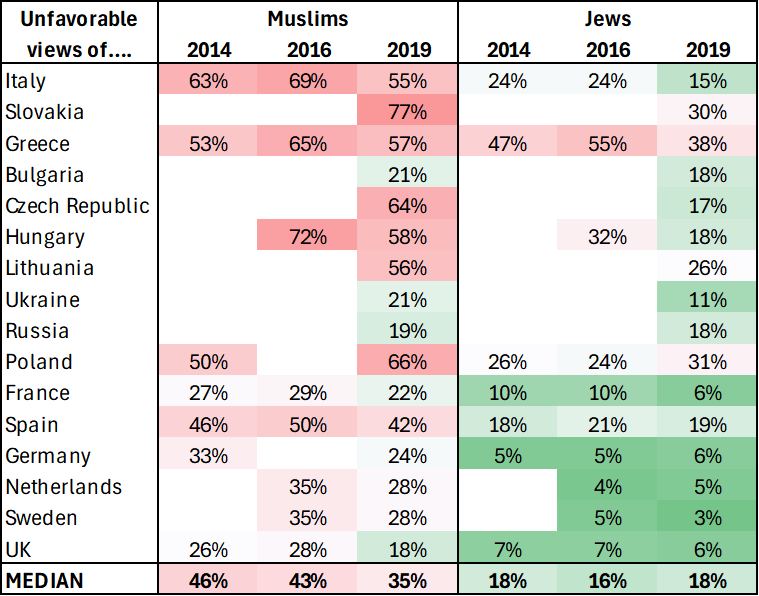
Polling by Pew Research shows consistently higher unfavorability toward Muslims than Jews across Europe across the surveyed years in 2014, 2016 and 2019. In the most recent 2019 survey, 44% of the 16 countries polled held a net negative view of Muslims, with a median unfavorability of 35%. By contrast, no country held a net negative view of Jews.
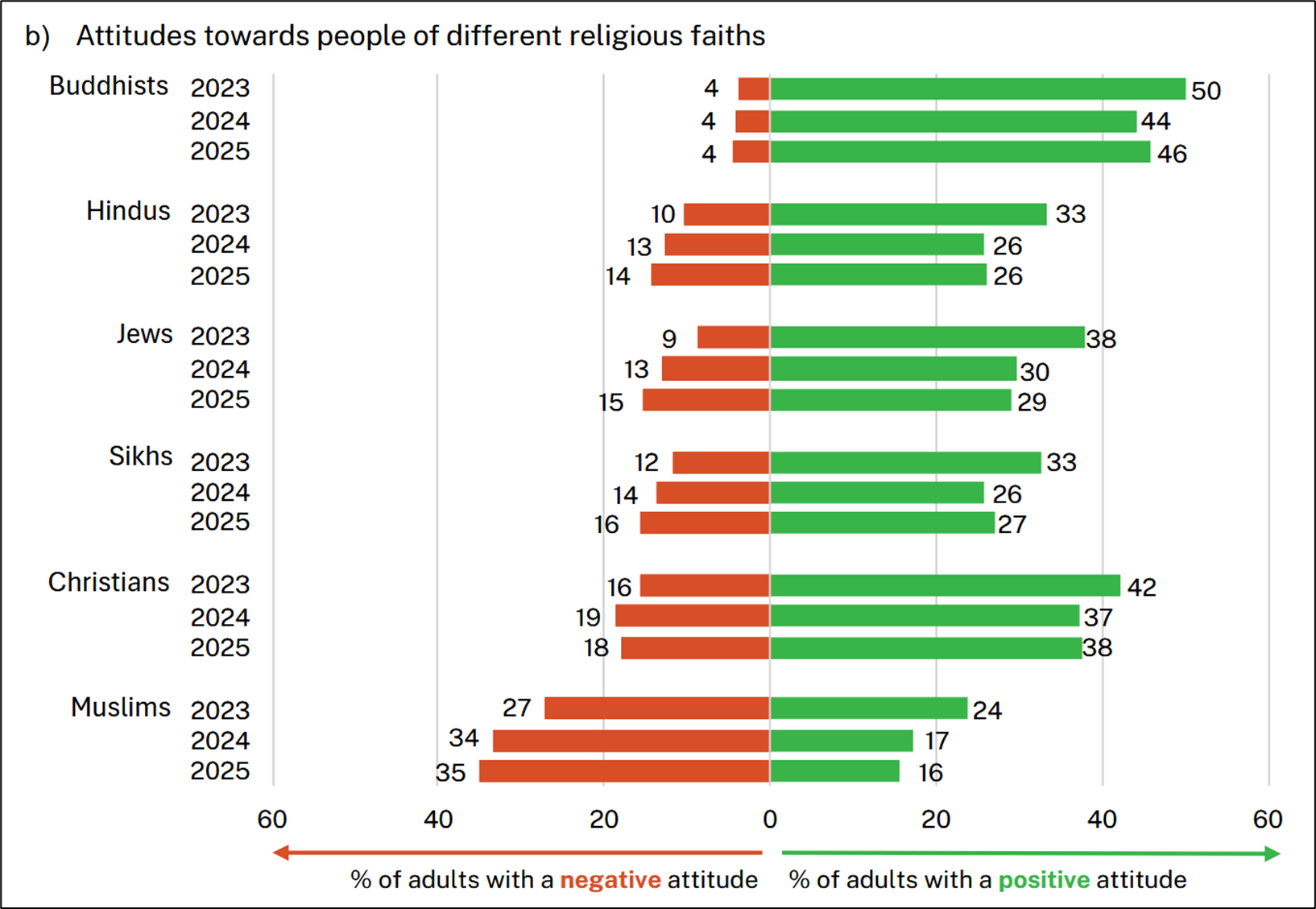
In polls conducted of Australians in 2025 by the Scanlon Foundation Research Institute, 29% of adults had positive views of Jews with 15% negative, while only 16% of adults had positive views of Muslims and 35% had negative views, the highest negative score of any other religious group by 17 points.
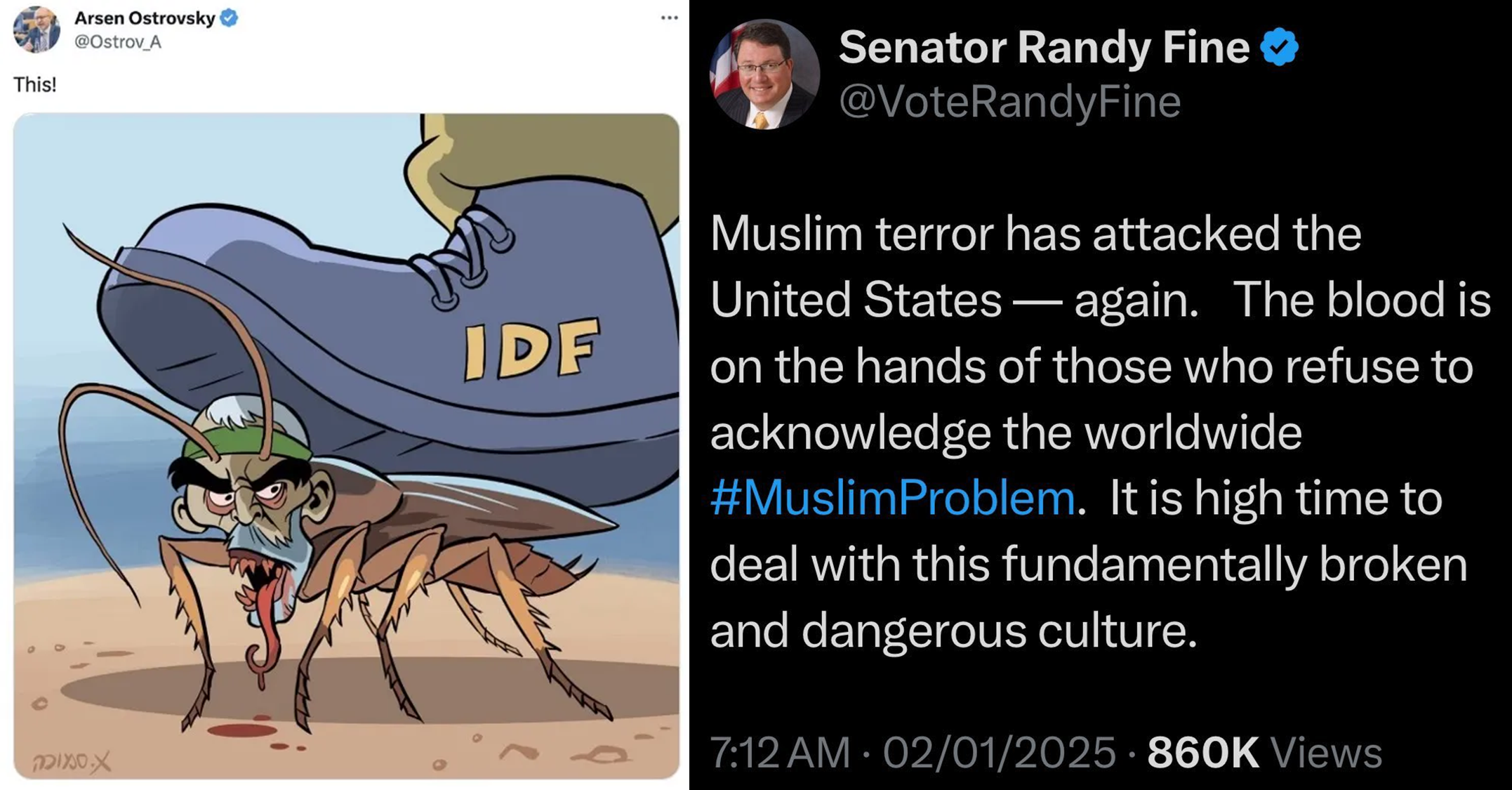
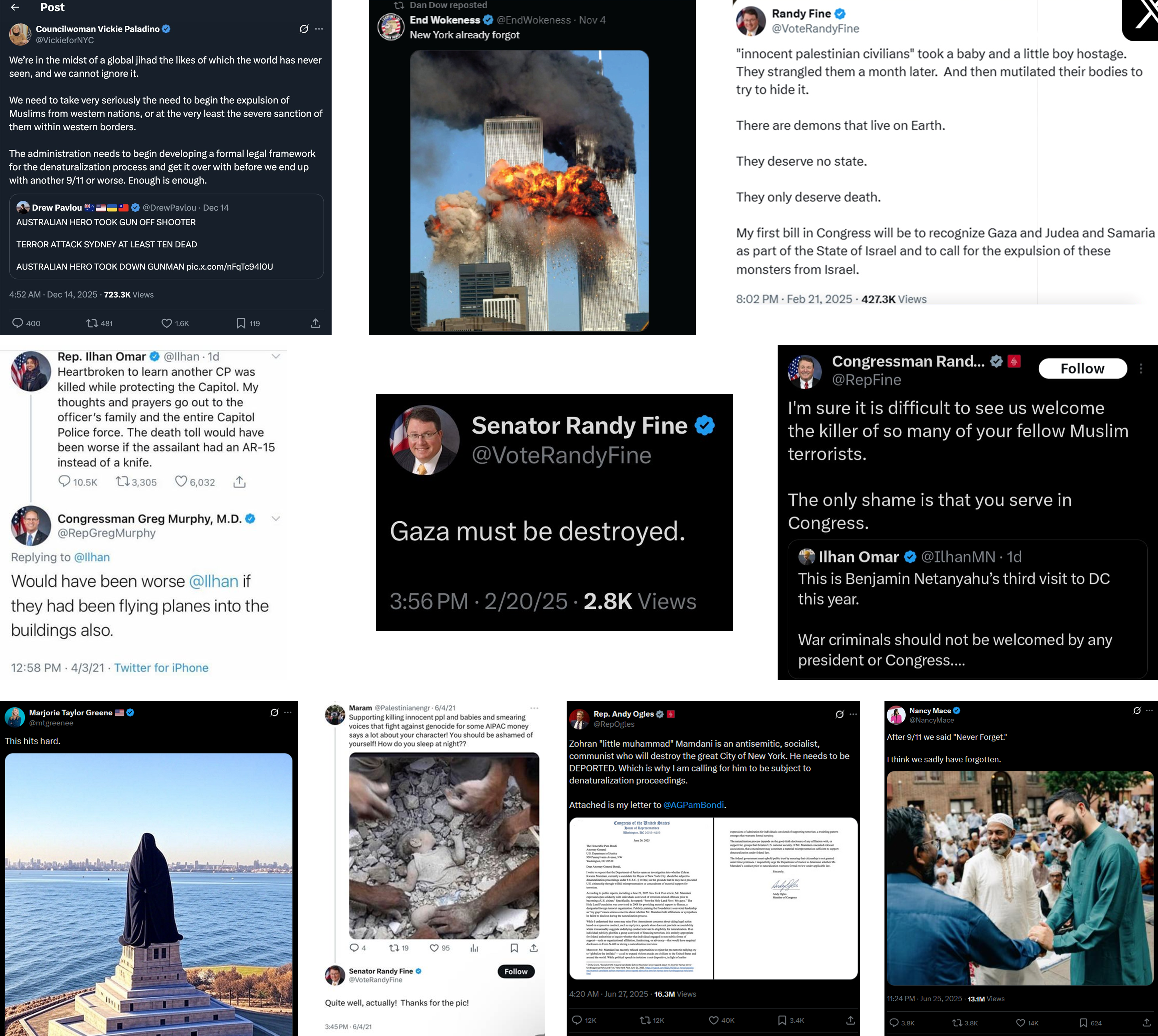
This openly negative attitude toward Muslims is evident among both the general pubic and politicians in the West with countless major U.S. political figures being openly Islamophobic and anti-Palestinian.
Hiring discrimination comparison
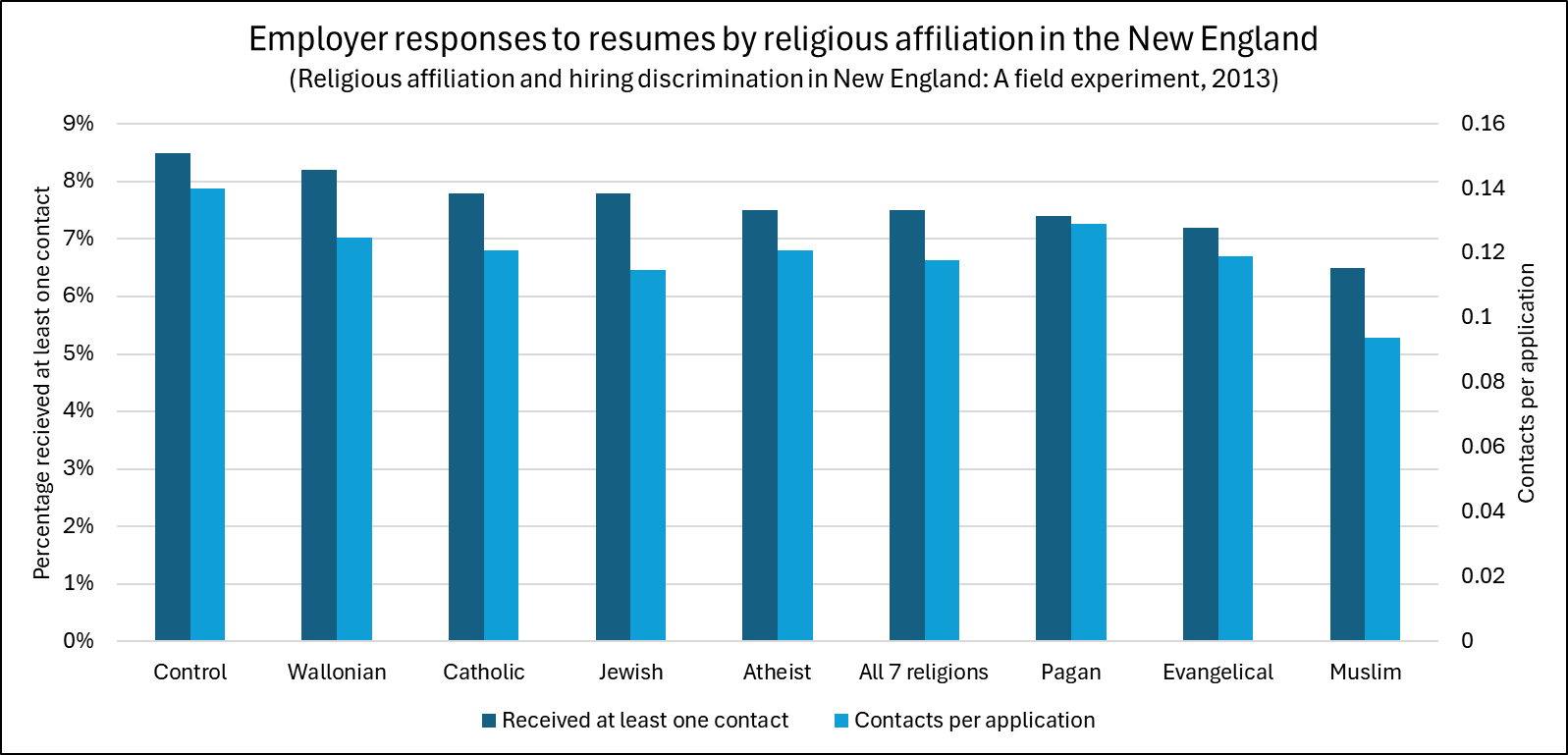
In 2013 and 2014, researchers at the University of Connecticut conducted two large field experiments examining the effect of religious affiliation on hiring discrimination in the United States. The studies, carried out in New England and the American South, involved sending thousands of fictitious resumes to real job advertisements with otherwise identical qualifications but different religious signals, including Jewish, Muslim, Christian, atheist and “Wallonian” (a fictitious religion) affiliations, as well as a control group with no religious affiliation listed. Across both studies, applicants identifying with any religion generally received fewer responses than applicants who listed no religious affiliation, with religious identifiers overall being about 24–26% less likely to receive phone calls from employers.
In both studies, Jewish applicants showed “little-to-no evidence of receiving discrimination,” with researchers describing Jews as having “escaped totally unscathed” by the broader pattern of religious penalties. By contrast, Muslim applicants consistently experienced some of the strongest negative effects. In the New England study, Muslim applicants were 38% less likely to receive a phone call than the non-religious control group (3.4% versus 5.5%), received 41% fewer total phone calls, were 24% less likely to receive any contact from employers, and received 33% fewer total contacts overall. Similar patterns appeared in the Southern study, where Muslims again experienced among the highest levels of hiring discrimination, while Jewish applicants remained the only religious group largely unaffected by the broader reduction in employer responses.
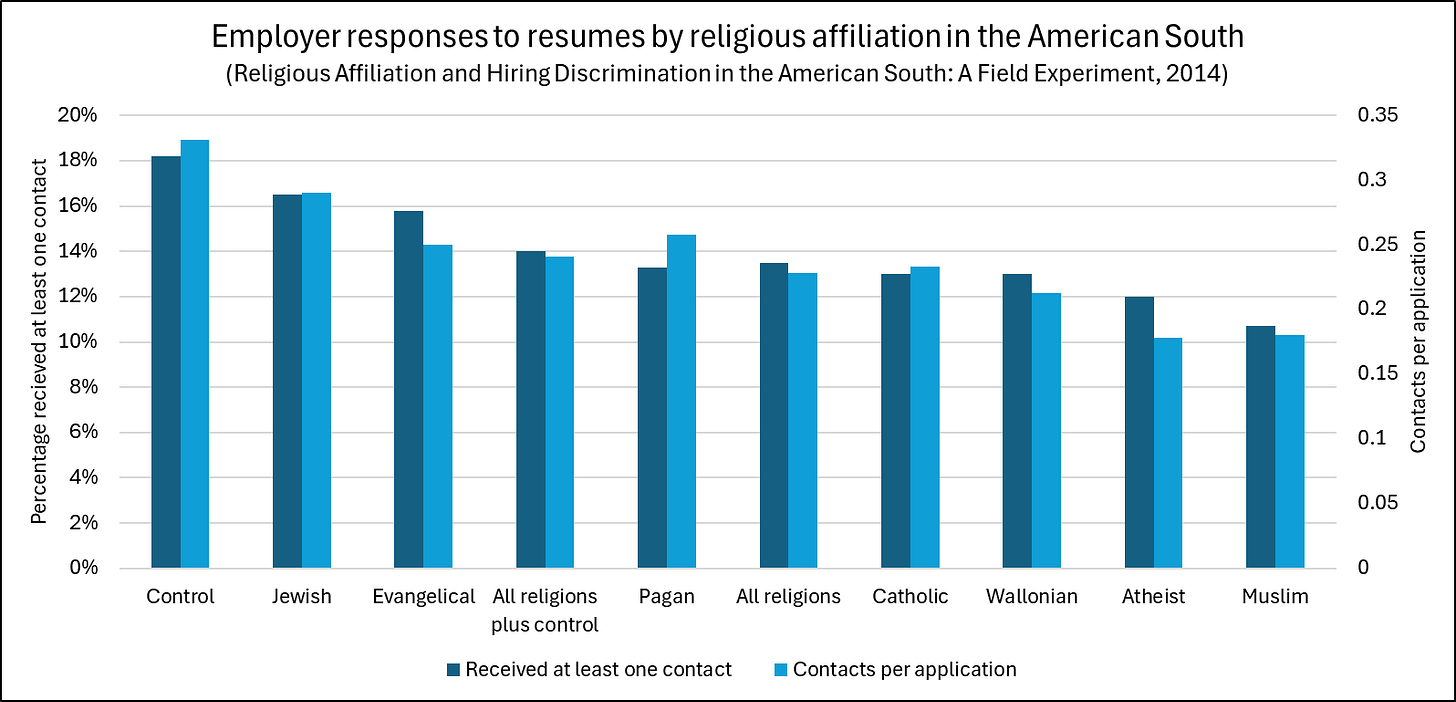
A field experiment in France conducted between 2013 and 2014 examined religious discrimination in hiring by sending fictitious resumes of comparable Catholic, Jewish, and Muslim applicants to employers. The study found that Catholic applicants received an interview invitation after approximately five applications, Jewish applicants after about six, and Muslim applicants after roughly ten, indicating a substantially larger penalty for Muslim candidates. The results also showed that signalling a more secular (non-practicing) identity significantly improved the chances of Muslim applicants receiving callbacks, whereas no comparable effect was observed for Catholic or Jewish applicants.
“Islamo-fascism” and “Islamo-leftism”
The mainstreaming of Islamophobia has not only come from the far-right, but also from intellectual currents that once positioned themselves as progressive. The “New Atheist” movement of the 2000s—figures like Sam Harris, Richard Dawkins, and Christopher Hitchens—rose to prominence mainly by challenging Christian dogma, but quickly shifted their focus toward Islam as a uniquely violent and backwards religion incompatible with ‘Western Civilization’. Harris notoriously defended racial profiling of Muslims at airports and suggested Muslim immigrants were incompatible with liberal societies; Dawkins infamously stated that “Islam is the greatest force for evil in the world today;” and Hitchens openly supported the Iraq War under the banner of confronting “Islamofascism,” a term that even then-US President George W. Bush used.
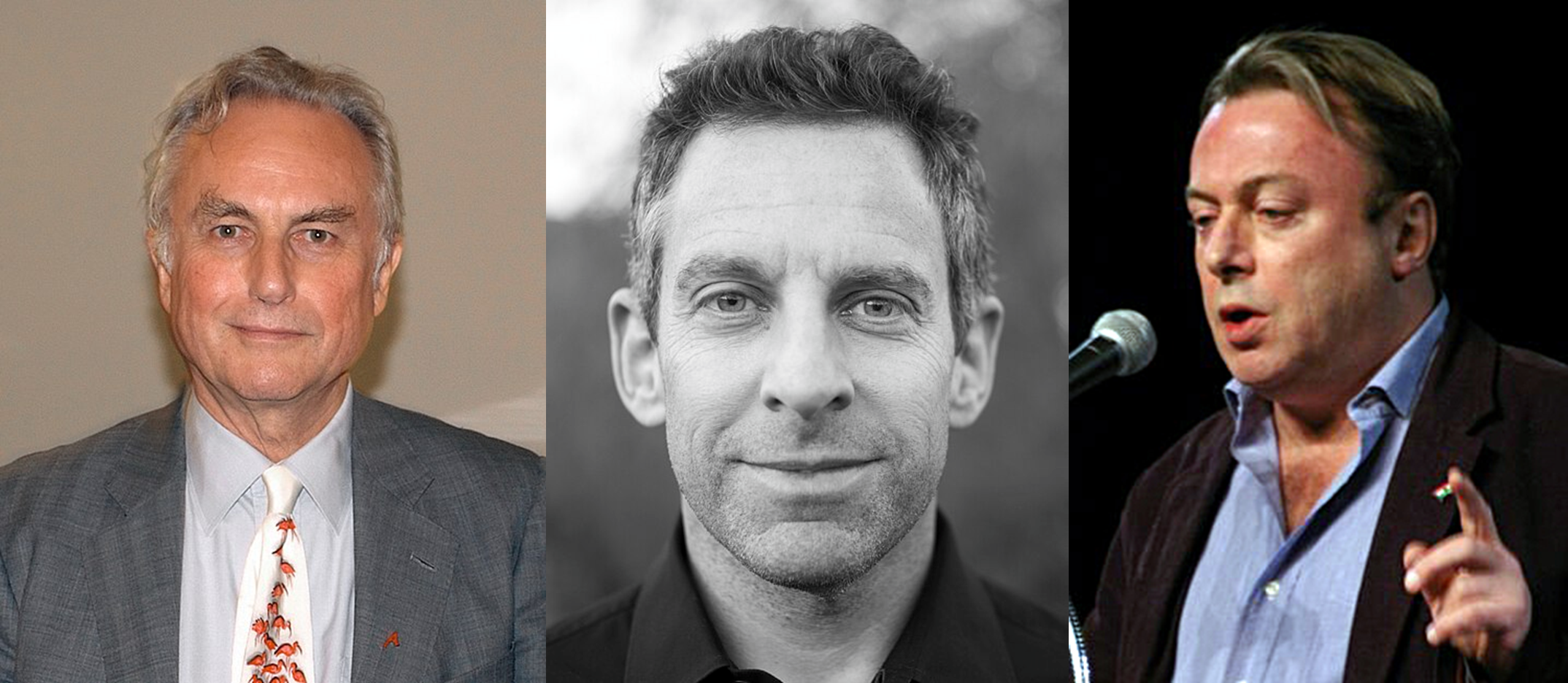
Ironically, these thinkers also express Zionist sympathies and are critical of the Palestinian resistance, casting Israel as the rational bastion against an irrational Muslim world; essentially reviving colonial binaries of civilized versus barbaric under the guise of secularism and reason. Harris blames the violence of the Israeli forces on the Palestinians during the 2014 war on Gaza, painting it as a tragic necessity, and explicitly labelled the Israeli genocide against Gaza in 2023 as a battle between “savagery and civilization.” Dawkins signed an open letter in support of Israel’s supposed right to self-defense and claimed the student protests against Israel were driven by antisemitism. Even Hitchens, who was highly critical of Israel and even called himself an “Anti-Zionist,” claimed that the Palestinian cause was ‘hijacked’ by ‘jihadists’ aligned with Hezbollah and Syria, and that not even a two-state solution would solve the “jihadist problem.”
Daniel Dennett, while not having shown direct affinity towards Israel and Zionism or written extensively about the issue, nevertheless reduced the matter to a religion issue with blame being pinned on Palestinian society in particular. In his 2006 book Breaking the Spell, he wrote about Palestinian lawyer and activist, Raja Shehadeh “Palestinian society, if Shehadeh is right, is beset with a virulent case of the ‘punish those who won’t punish’ meme … [W]e mustn’t assume that policies that are benign in our own culture will not be malignant in others.” In the book, he also talks positively about “working to secure peaceful coexistence for Palestinians and Israelis.”
As political conditions change, the language used to define enemies changes with them. Old conspiratorial frameworks are rarely abandoned; they are repackaged for new targets. The rise of the term “Islamo-leftism” is best understood in this light: not as a neutral analytical concept, but as a contemporary mutation of older reactionary tropes, most notably “Judeo-Bolshevism.” After the post-9/11 term “Islamo-fascism” began to lose its usefulness, “Islamo-leftism” emerged as a more politically flexible construct. Unlike Islamo-fascism, which framed Muslims primarily as a security threat, Islamo-leftism explicitly fuses Islam with left-wing politics, allowing both to be attacked at once. The resemblance to Judeo-Bolshevism is clear: in both cases, a racialized or religious minority is depicted as the hidden force corrupting the left and undermining the nation.
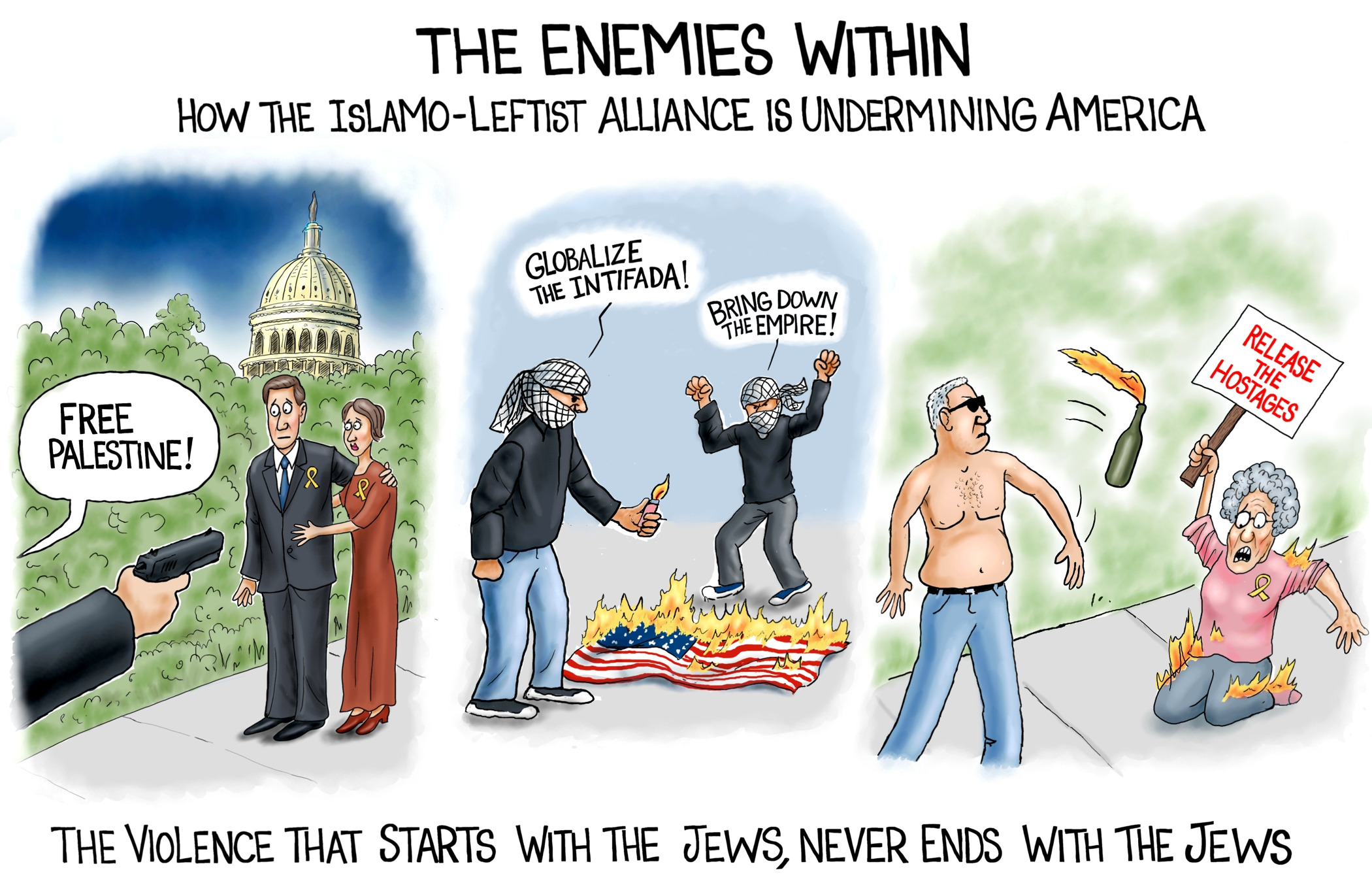
The concept was coined and popularized in French political discourse, where it quickly became a polemical weapon. Pierre-André Taguieff, often described as an “antisemitism expert,” is widely credited with introducing the term. In practice, it functioned as a catch-all accusation aimed at anti-racists, anti-imperialists, critics of Israel, and anyone refusing to treat Muslims and immigrants as civilizational threats. Opposition to Zionism or Israeli state policy was routinely re-framed as evidence of an “unholy alliance between Islamism and the left.” Far from being marginal, the term was promoted by influential networks such as the Cercle de l’Oratoire and taken up by mainstream politicians, journalists, philosophers and academics. Even French politicians have invoked the term to justify state scrutiny of universities and academic fields such as post-colonial studies.
Closely related ideas like the supposed “red–green–brown alliance” which claims a convergence of leftists, “Islamists”, and the far right have further collapsed left-wing solidarity with Muslims and Palestinians into complicity with extremism, transforming anti-racism and anti-colonialism into security concerns rather than political positions. As with Judeo-Bolshevism in interwar Europe, the function of Islamo-leftism is to scapegoat a minority in order to discredit the left itself. Where Jews were once cast as the architects of conspiratorial socialist subversion, Muslims are now portrayed as radicalizing the left from within. This narrative externalizes social conflict, deflects attention from capitalism, imperialism, and state power, and shifts political debate rightward.
Combined with state policies and Zionist lobbying, this has entrenched a worldview where Islamophobia and anti-Arab racism now play the same role that antisemitism once did: a “respectable” prejudice, rationalized through culture, politics, and intellectual life. In this sense, antisemitism has not disappeared, it has shifted targets. The same ideological framework that once cast Jews as dangerous outsiders is now applied to Arabs, Muslims, and Palestinians. But unlike contemporary antisemitism, which is mostly rhetorical and fringe, this “new antisemitism” against Arabs and Muslims is systemic, backed by legislation, wars, and surveillance.
The Zionist Islamophobia Industry
In early 2024, reporting revealed that Israel’s Ministry of Diaspora Affairs was funding a multi-million-dollar influence campaign centered on spreading Islamophobic content. The operation targeted U.S. lawmakers and African American politicians in particular relying heavily on AI-generated material to produce large volumes of deceptive online messaging.
Later leaks showed that Israel’s Ministry of Foreign Affairs had also commissioned extensive reputation research in the U.S. and Europe, carried out by the American polling firm Stagwell Global. The firm was founded by Mark Penn, a major donor to AIPAC who has political ties to Likud through his work on Menachem Begin’s campaign. Although the research found that most respondents held negative views of Israel and accepted Gaza casualty figures reported by the Gaza Health Ministry, one conclusion stood out: respondents were highly receptive to fear-based messaging about “radical Islam” and “jihadism.” The findings suggested that amplifying Islamophobic narratives was viewed as far more effective in neutralizing criticism of Israel than direct pro-Israel advocacy.
The overlap between Zionist organizations and Islamophobia promotion in politics dates back to much earlier. A 2011 investigation by the Center for American Progress (CAP) exposed a tightly networked group of seven major U.S. foundations responsible for pumping over $42.5 million into the “Islamophobia network” promotion industry during the period studied from 2001 to 2009. A follow-up analysis of those same seven donors uncovered that they contributed nearly $11 million to pro-Israel and Zionist causes during roughly the same period, with at least four foundations acting as major funders for both agendas.
This alignment also manifests in on-the-ground political campaigns. As documented by a 2013 Mondoweiss investigation, pro-Israel groups played a central role in sustained anti-Muslim campaigns, such as those to block the Islamic Society of Boston Cultural Center and to dismantle New York’s Khalil Gibran International Academy (KGIA), the nation’s first Arabic dual-language public school. These campaigns mobilized a network that included figures like Steven Emerson, founder of The Investigative Project on Terrorism, and Charles Jacobs, a co-founder of the pro-Israel group CAMERA and founder of the hasbara group The David Project.
Jacobs’s organization, which evolved into Americans for Peace and Tolerance (APT), spearheaded the Boston campaign by framing the mosque project as a “Muslim Brotherhood mega-mosque” and relentlessly attacking its leaders. Their strategy used fear-mongering and baseless terrorism allegations in right-wing media to portray Muslim communities as an internal threat. The campaigns gained crucial institutional credibility when mainstream pro-Israel organizations, such as the Jewish Community Relations Council (JCRC) and the Combined Jewish Philanthropies in Boston, defended the smears as a “free speech” issue, prioritizing a hardline geopolitical stance over opposing bigotry.
This playbook was also central to the 2010 campaign against the Part51 Islamic community center, erroneously dubbed the “Ground Zero mosque,” which included many of the same anti-Muslim ideologies from the anti-KGIA campaign. Former AIPAC staffer MJ Rosenberg wrote about why pro-Israel actors joined protests:
So what does this have to do with the mosque in New York? Simple. These organizations, and especially their leaders, hate and fear Muslims or, to use their term, “radical Islam.” It is not because they are instinctive bigots. It is that they believe that the more acceptance there is of Muslims here at home, the less reflexive hatred there will be for Muslims abroad. And that, in their view, reduces America’s sympathy for Israel.
— MJ Rosenberg, Inside Story: Why ADL Is Opposing Ground Zero Mosque (2010)
Pro-Israel propagandist and ‘civil rights attorney’ Brooke Goldstein, founder of the Lawfare Project and the Zioness Movement, blatantly spelled this out in a recent interview with notorious far-right Islamophobic political commentator, Dinesh D’Souza:
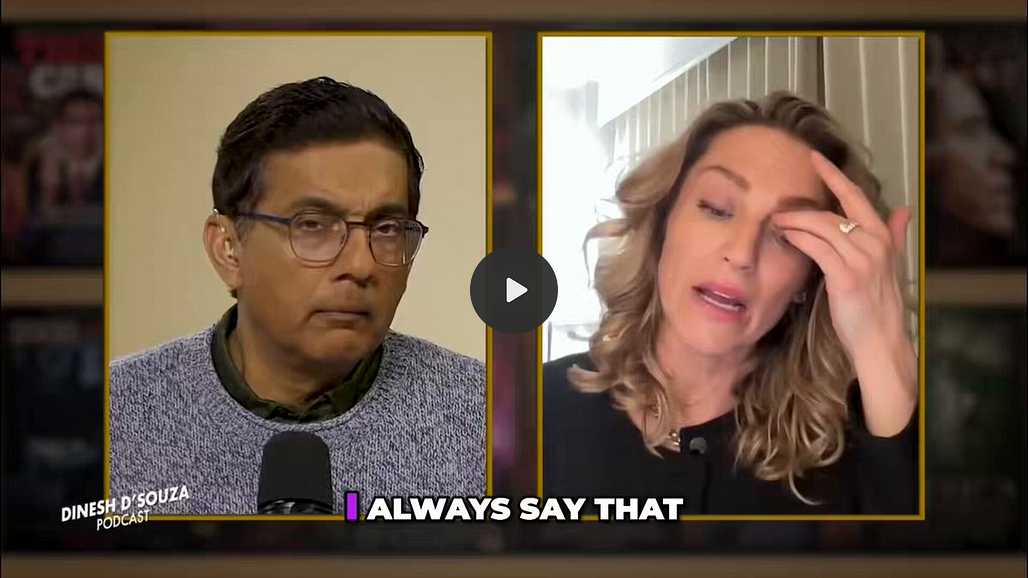
I always say that we’re wasting our time with pro-Israel advocacy. The goal should not be to get people to love Israel. The goal should be to form alliances against the creep of radical Islam into our Western Judeo-Christian societies because that is the real threat. You know, there’s no reason why a mother in Ohio should care about Israeli politics, but when you show that mother a video of a young girl who dresses perhaps like her daughter walking down a street in Belgium and being surrounded by 15 Muslims who are shouting and threatening to rape her and attack her because she’s not dressed in a Sharia compliant way, that is what you should be worried about. And when they say globalize the intifada, that is what they mean. Bring Sharia law and radical Islamist principles into the West. And we see this all over Europe. You know, it used to be faux pas to talk about the Sharia no-go zones throughout France. It’s happening. It’s real. There are places in France that the police can’t even go to without full armor and automatic weaponry, and they go in and they out, and it’s Sharia-compliant neighborhoods. That’s what’s happening in Michigan. That’s what they want to happen throughout the Western world, and we cannot allow this to happen. We cannot have a subset of Sharia-compliant neighborhoods within our Western democracy, because it is just not compatible with our constitutional rights.
The issue is radical Islam. And what really we should be forming are alliances between minority communities and all communities, frankly, that believe in the upholding of Judeo-Christian values against the infiltration of radical Islam. But going back to your earlier question, this should have been done 20 years ago. But because of the Islamophobia mania campaign, the coordinated and very well-funded effort to silence us, to sue us, to defame us, we couldn’t organize or talk about this. But now is the time. Now is the time to wake up and understand.
— Brooke Goldstein, Dinesh D’Souza Podcast Ep1227 (December 10, 2025)
These campaigns reveal the strategic calculus: when advocacy for Israel becomes difficult to sell on its own political merits, stoking fear of a common “Islamist” enemy becomes a potent alternative. This is part of a deliberate “pivot” whereby pro-Israel actors, finding traditional propaganda less effective, cultivate alliances with movements whose main political focus is anti-Muslim hatred. This transforms Islamophobia from a domestic prejudice into a geopolitical tool.
Fringe rhetoric vs top-down policies
Another phenomenon that is often pointed to as a sign of rising danger for Jews, and why antisemitism is treated as uniquely important, is the supposed increase in far-right rhetoric and politics becoming public, including among mainstream politicians in the West. But the reality is that this fascist revival directs its actual structural power elsewhere. In the United States, top-down rhetoric from political leaders and right-wing media targets immigrants, especially those from Latin America, and Muslims, often framing them as cultural threats or security risks. These narratives translate directly into policy: immigration enforcement that tears families apart, mass deportations, detention centers, and the 2017 “Muslim Ban” barring entry from several Muslim-majority countries. Training for the New York Police Department categorized the Keffiyah and watermelon as “antisemitic symbols.”
In Europe, mainstream far-right parties focus relentlessly on Muslims and non-white immigrants from Africa and the Middle East, portraying them as incompatible with “national identity.” That rhetoric is matched with policy: immigration caps, violent border push-backs, and asylum deterrence schemes; bans on the hijab in French schools; Switzerland’s prohibition on minarets; and other “secularism” or “integration” laws that specifically restrict Muslim religious expression. Roma communities, too, face systemic police harassment, forced evictions, and discriminatory residency rules across multiple European countries.
Zionist anti-Palestinian groups including Canary Mission and the proudly Islamophobic Betar USA, a group considered too extreme even by the Zionist ADL, have direct ties to the U.S. government and Trump administration officials. Betar USA’s spokesperson Daniel Levy and organization leader Ross Glick have submitted “thousands of names” of students and faculty involved in pro-Palestinian activism to high-ranking officials, including Secretary of State Marco Rubio, White House homeland security adviser Stephen Miller, and Attorney General Pam Bondi. Furthermore, Glick detailed meeting with lawmakers on Capitol Hill, including Democratic Senator John Fetterman and aides to Republican Senators Ted Cruz and James Lankford, to discuss the group’s deportation efforts. Glick stated he discussed a specific target (activist Mahmoud Khalil) with Senator Cruz in Washington D.C. just days before Khalil was arrested.
This relationship is further corroborated by internal government documents unsealed in federal court. The Department of Homeland Security’s specialized “tiger team,” tasked with identifying foreign students for deportation, actively reviewed lists of names compiled by both Betar USA and the Canary Mission. Court testimonies confirmed that these lists informed the government’s review of over 5,000 students. Canary Mission openly celebrated the arrest of Mahmoud Khalil, stating it was “delighted that our exposure of his hatred has led to such deserved consequences.” The Trump administration’s executive branch and allies in the legislative branch have actively integrated their doxxing operations and deportation lists into official policy, directly translating their extremist rhetoric into top-down state action.
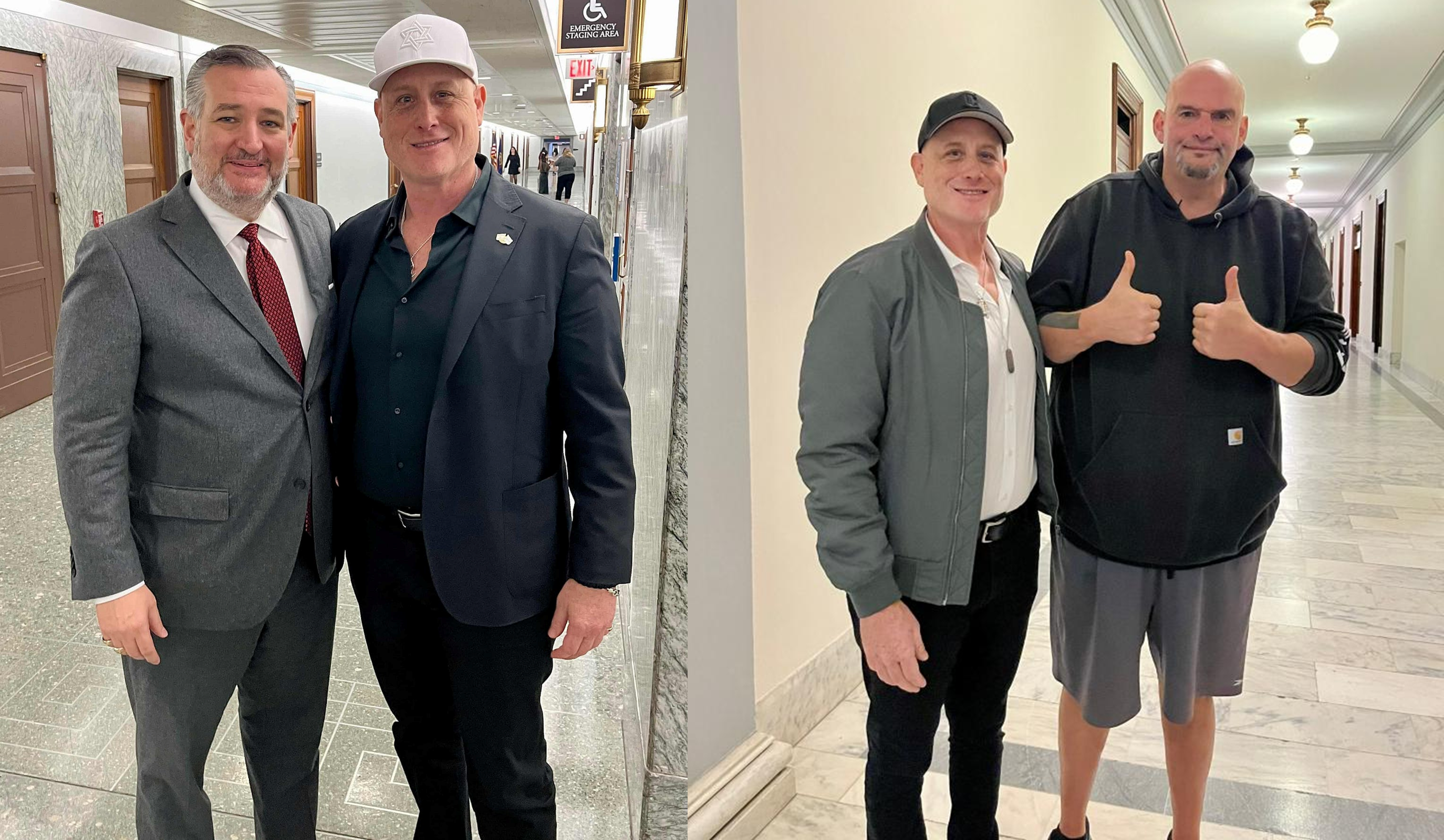
Jews, by contrast, are primarily targeted by racist individuals and small extremist groups on the far-right fringes, actors who operate largely outside of formal politics and hold little to no systemic power. While antisemitic rhetoric can and does surface in speeches or coded references to “globalists,” this remains qualitatively different from the institutional, top-down marginalization inflicted on Muslims, immigrants, and other minorities. Random social media influencers do not have the same structural reach as a government writing discrimination into law. For Jews, far-right hostility is mainly a matter of words; for others, it is a matter of law.
Further reading:
Nevel, D. (2013, September 2013). How pro-Israel forces drove two virulent anti-Muslim campaigns. Mondoweiss. https://mondoweiss.net/2013/09/how-pro-israel-forces-drove-two-virulent-anti-muslim-campaigns/
Bulkin, E. & Nevel, D. (2014). Islamophobia & Israel. Route Books.
Aked, H. (2015, September 29). The undeniable overlap: right-wing Zionism and Islamophobia. openDemocracy. https://www.opendemocracy.net/en/undeniable-overlap-right-wing-zionism-and-islamophobia/
Kanji, A. (2021, April 2). “Islamo-Leftism” or Islamophobo-Leftism? Al Jazeera. https://www.aljazeera.com/opinions/2021/4/2/islamo-leftism-or-islamophobo-leftism
Coles, T.J. (2024, March 8). The New Atheism at 20: How an Intellectual Movement Exploited Rationalism to Promote War. CounterPunch. https://www.counterpunch.org/2024/03/08/the-new-atheism-at-20-how-an-intellectual-movement-exploited-rationalism-to-promote-war/
BadEmpanada. (2025, January 19). The New Anti-Semitism: The Arab Global Conspiracy [Video]. YouTube. https://www.youtube.com/watch?v=UMXSrm2Loig
Gerstein, J. and Cheney, K. (2025, July 9). Trump officials used shadowy website to target pro-Palestinian academics for deportation, court records show. Politico. https://www.politico.com/news/2025/07/09/pro-palestinian-deportation-documents-trial-00445238
The figures in this post, checked
Each figure was checked against the source Tariq cited. Open a topic to see the source's own wording for every figure.